Think about the last time you walked through a busy train station, bus terminal, or transit hub. You passed through entrance doors that hundreds of people touched before you. You sat in a waiting area where dozens of travelers had already rested that morning. You used a restroom shared by thousands of people each day. You leaned against a railing, pressed an elevator button, and walked across a floor that sees more foot traffic in a single afternoon than most office buildings see in a week.
Transit stations and transportation hubs are among the highest-traffic public facilities in any metropolitan area. They serve as the connective tissue of a region’s transportation network, and on any given day, thousands or tens of thousands of people move through them. That volume of human activity creates a unique and demanding cleaning challenge. When these facilities are not cleaned properly, frequently enough, and with the right procedures, the consequences go far beyond an untidy appearance. They become genuine public health concerns.
The Health Risks of Poorly Cleaned Transit Stations and Hubs
The sheer volume of people passing through a transit station every day makes these facilities fundamentally different from most commercial buildings. A typical office building might see a few hundred occupants who arrive in the morning and leave in the evening. A transit station sees a constant, rotating flow of individuals, each one touching surfaces, using restrooms, shedding respiratory droplets, and tracking in dirt, moisture, and outdoor contaminants from the streets outside.
High-Touch Surfaces as Transmission Points
Research on public transit environments has consistently found that high-touch surfaces in stations carry significant bacterial loads. Ticket machines, fare gates, escalator handrails, elevator buttons, door handles, bench armrests, and vending machines are touched by hundreds or thousands of individuals between cleanings. Studies have identified strains of Staphylococcus, E. coli, and in some cases drug-resistant organisms on these surfaces. For any person who touches a contaminated surface and then touches their face, the risk of infection is direct. For elderly riders, young children, and immunocompromised individuals, the risk is significantly higher.
Restrooms as Infection Hotspots
Station restrooms are among the most heavily used and most challenging spaces to keep clean in any public facility. The combination of high turnover, moisture, confined space, and frequent contact with bodily fluids makes them prime environments for bacterial and viral transmission. Restrooms that are not cleaned and disinfected multiple times per day develop odor, mineral buildup, mold in grout lines, and surface contamination that daily wiping alone cannot resolve. Poorly maintained restrooms are also one of the fastest ways to erode public confidence in a transit system.
Airborne Contaminants in Enclosed Waiting Areas
Many transit stations, particularly underground subway stations and enclosed bus terminals, have limited natural ventilation. Research has found that these environments can concentrate airborne pollutants, including bacteria, viruses, and fungal spores, at levels that pose health risks to commuters and staff who spend extended time in the facility. Dust accumulation in ventilation systems and on overhead surfaces compounds the problem by continuously recirculating particulate matter into the air that people breathe while waiting for their connection.
Tracked-In Contaminants and Floor-Level Hazards
Every person who enters a transit station brings the outside world in with them on the soles of their shoes. Dirt, mud, salt, chemical residue, organic matter, and moisture are deposited on station floors thousands of times per day. Without frequent and effective floor cleaning, this material builds up rapidly, creating slip hazards, embedding into floor finishes, and generating the kind of visible grime that signals neglect to every person who walks through the space. During winter months, de-icing salt tracked in from sidewalks and parking areas adds an additional layer of complexity, as salt residue requires specific neutralizing products to remove effectively.
The Ridership and Reputation Factor
Beyond the direct health implications, the cleanliness of a transit station has a measurable impact on whether people choose to use the system. Post-pandemic surveys have consistently shown that facility cleanliness ranks among the top concerns influencing ridership decisions. A station that looks dirty, smells unpleasant, or has visibly neglected restrooms actively discourages use. For transit authorities, investing in cleaning is not just a maintenance expense. It is a ridership retention and public trust strategy.
Best Practices for Cleaning Transit Stations and Hubs
Effective station cleaning requires a structured, systematic approach that accounts for the unique demands of high-volume, continuously occupied public spaces. The following best practices represent the standard of care for transit facility maintenance.
Prioritize High-Touch Surface Disinfection
The most critical cleaning targets in any station are the surfaces that the greatest number of people touch most frequently. This includes fare gates and ticket machines, escalator handrails, elevator call buttons and interior panels, door handles and push bars, waiting area bench armrests, information kiosk screens, and vending machine buttons. These surfaces should be disinfected multiple times throughout the day using EPA-registered disinfectants effective against a broad spectrum of bacteria and viruses. Microfiber cloths are preferred over standard rags because they physically trap pathogens rather than redistributing them. Proper dwell time, the amount of time the disinfectant must remain wet on the surface to be effective, must be followed according to the product label.
Implement a Tiered Restroom Cleaning Protocol
Station restrooms require a multi-tiered cleaning approach. Throughout the day, attendants or cleaning staff should perform frequent checks to restock supplies, address visible messes, empty trash, and wipe down high-touch fixtures. This is maintenance-level care designed to keep the restroom functional and presentable between deeper cleanings. At the end of each operating day, restrooms should receive a full cleaning that includes disinfecting all fixtures, scrubbing floors with a germicidal cleaner, cleaning grout lines, polishing mirrors and chrome, and treating drains. On a weekly or biweekly basis, a deep clean should address tile and grout restoration, mineral deposit removal, and any developing mold or mildew in corners, seams, and behind fixtures.
Use a Color-Coded Textile System to Prevent Cross-Contamination
Cross-contamination is one of the biggest risks in facility cleaning, and it is especially dangerous in transit stations where restrooms, food service areas, and passenger waiting areas exist in close proximity. The industry standard for preventing this is a color-coded cleaning textile system. Different colored cloths and mop heads are assigned to specific zones: for example, red for restrooms, blue for general public areas, green for food courts or vending areas, and yellow for high-touch disinfection work. This simple, visual system ensures that a cloth used in a restroom never touches a waiting area bench.
Address Floors with the Right Equipment and Frequency
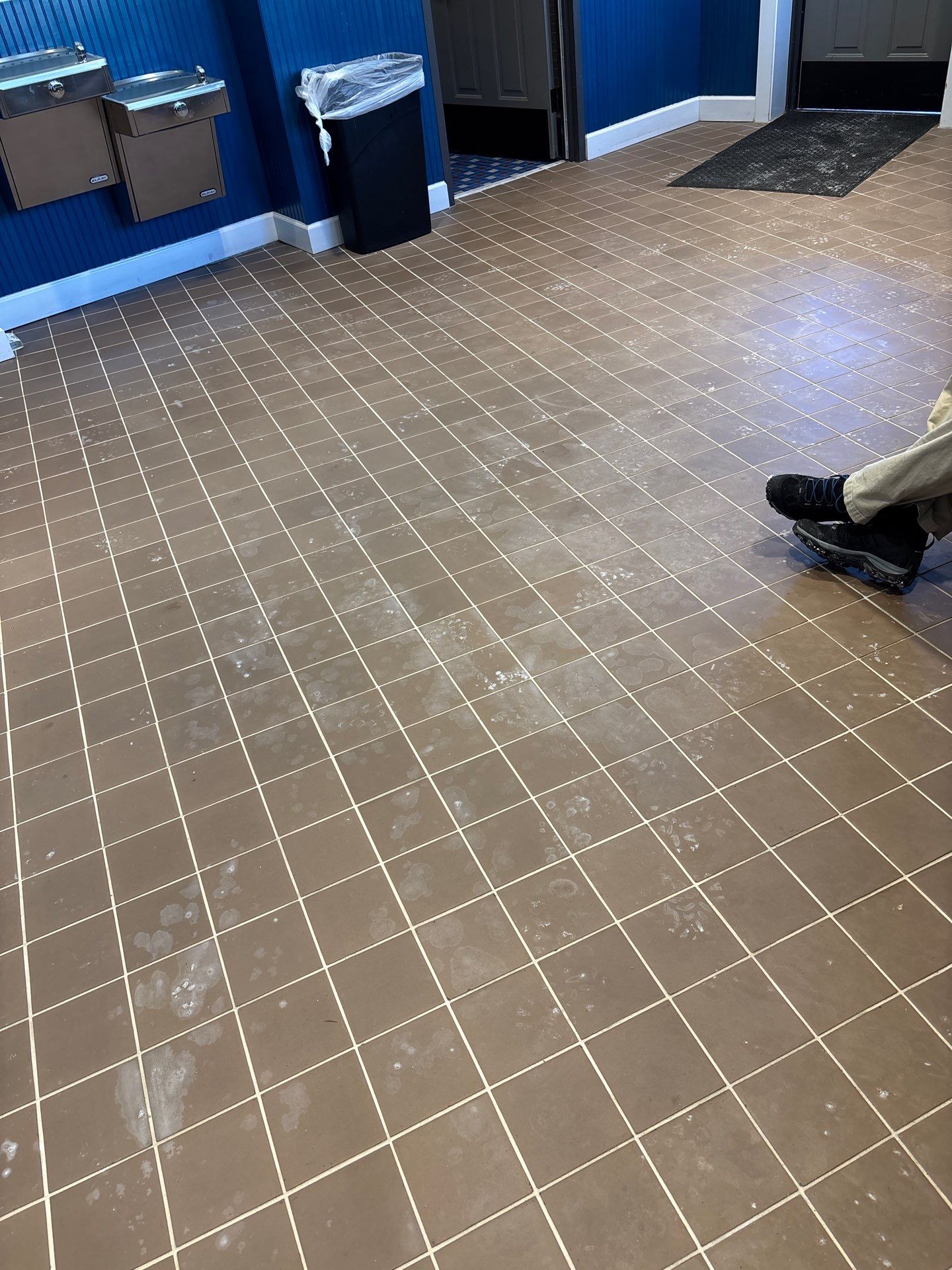
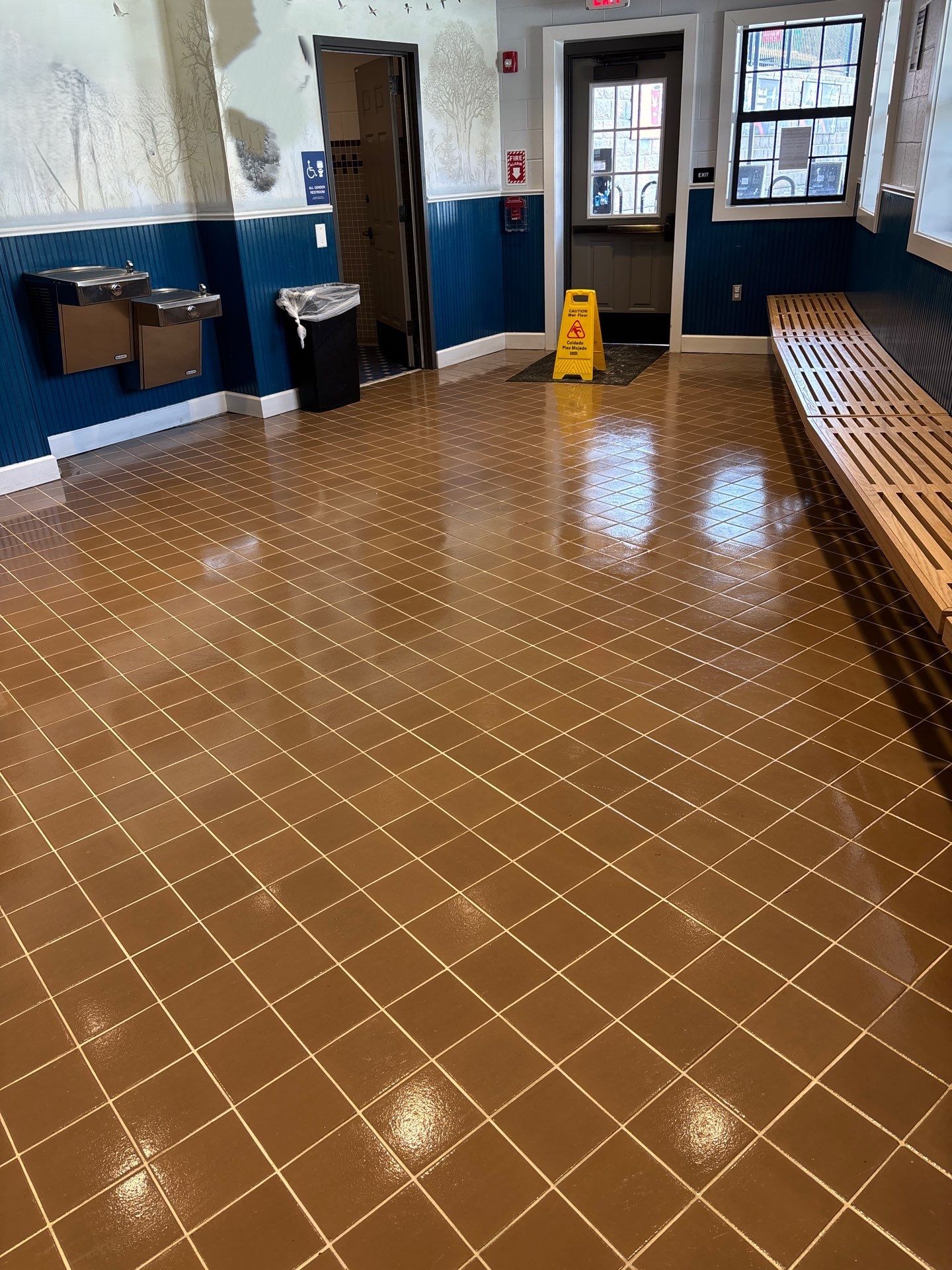
Station floors endure punishment that most commercial floors never experience. The volume of foot traffic, combined with tracked-in dirt, moisture, salt, and debris, means that daily mopping alone is not sufficient. High-traffic areas such as entrance lobbies, platform edges, and concourse corridors benefit from auto scrubber passes that apply cleaning solution, agitate the surface, and vacuum up the dirty water in a single operation. This produces a far cleaner result than manual mopping and dramatically reduces slip risk by leaving the floor drier. Periodic deep floor treatments, including stripping and refinishing for VCT or sealed concrete, and pressure washing for exterior platform surfaces, should be scheduled monthly or seasonally depending on traffic volume.

Maintain Air Quality Through Ventilation and Vent Cleaning
Surface cleaning alone cannot address airborne health risks. Station ventilation systems, including air handling units, vent covers, return grilles, and accessible ductwork, should be cleaned on a regular schedule. HVAC filters should be replaced according to manufacturer recommendations, with MERV-13 or higher rated filters used where the system allows. In enclosed or underground stations, air quality monitoring can identify areas where additional filtration or ventilation improvements are needed. Dust buildup on overhead light fixtures, signage, and structural surfaces also contributes to airborne particulate and should be addressed during scheduled deep cleans.
Do Not Overlook Waiting Areas, Seating, and Public Furniture
Waiting area benches, seating, and public furniture in transit hubs accumulate body oils, food residue, dirt, and biological material over time. Hard-surface seating should be wiped down daily and disinfected during peak illness seasons. Upholstered or fabric seating, where it exists, should be deep cleaned or extracted on a monthly basis to remove embedded soil and allergens. Trash receptacles, recycling bins, and newspaper dispensers in waiting areas should be emptied frequently and the receptacles themselves wiped down to prevent odor and insect attraction.
Recommended Cleaning Frequencies for Transit Stations and Hubs
The appropriate cleaning frequency depends on the station’s daily ridership, layout, and the types of spaces within the facility. The following schedule represents a best-practice framework that can be adapted to your specific operation.
Continuous Throughout the Day
- Litter pickup and trash removal in all public areas
- Restroom supply checks and spot cleaning
- Immediate response to spills, bodily fluid incidents, and visible messes
- Spot mopping of wet or slippery floor areas, especially near entrances during inclement weather
Every 2–4 Hours During Operating Hours
- Disinfection wipe-down of all high-touch surfaces: fare equipment, handrails, elevator buttons, door handles, bench armrests
- Restroom full check: restock, disinfect fixtures, mop floors, empty trash
- Waiting area trash collection and seating wipe-down
Daily (End of Service or Overnight)
- Full disinfection of all high-touch surfaces throughout the station
- Complete restroom deep clean: all fixtures, floors, mirrors, partitions, and drains
- Auto scrub or machine-mop all hard-surface floors in concourses, platforms, and corridors
- Clean ticket windows, information desks, and customer service counters
- Wipe down all vending machines, kiosks, and ATMs
- Clean entrance glass, doors, and surrounding frames
Weekly
- Deep scrub station floors with commercial-grade equipment
- Clean all interior windows, glass partitions, and display cases
- Wipe down all signage, wayfinding panels, and overhead information boards within reach
- Inspect and clean escalator treads and handrail undersides
- Flush all floor drains with germicidal solution to prevent odor and bacterial growth
- Deep clean waiting area seating and public furniture
Monthly
- Pressure wash exterior platform areas, stairwells, ramps, and entry aprons
- Deep clean or extract any upholstered seating or fabric surfaces
- Clean air vents, return grilles, and accessible ductwork throughout the station
- Restroom grout cleaning and resealing where needed
- Strip and refinish hard-surface floors in highest-traffic zones
- Inspect for mold, moisture intrusion, or pest activity in mechanical areas, storage rooms, and below-grade spaces
Quarterly or Seasonally
- Replace HVAC filters station-wide
- Full ceiling and overhead cleaning, including light fixtures, structural beams, and exposed piping
- Exterior facade, entrance canopy, and signage cleaning
- Comprehensive facility audit: review cleaning effectiveness, identify areas needing procedure updates, and adjust frequencies based on seasonal ridership patterns
- Carpet extraction in any carpeted office, administrative, or lounge areas within the station
Why Professional Cleaning Partners Matter for Transit Facilities
Transit stations operate on tight schedules with narrow windows for cleaning. Most heavy maintenance work must happen overnight or during reduced-service hours, and it must be completed on time so the facility is ready for the next day’s riders. In-house custodial teams handle the essential daily tasks, but the periodic deep cleaning, specialty floor care, restroom restoration, and large-scale disinfection work that keeps a station in top condition often requires the equipment, staffing depth, and technical expertise that a professional commercial cleaning partner provides.
The right cleaning partner understands high-traffic public environments, brings industrial-grade equipment like ride-on scrubbers, pressure washers, and HVAC cleaning tools, and can scale crews to meet tight overnight windows. They also bring accountability through documented cleaning procedures, quality inspections, and the kind of consistency that transit riders and staff notice every day.
A Clean Station Is a Statement of Public Trust
When a commuter walks into a transit station and sees clean floors, well-maintained restrooms, spotless waiting areas, and staff actively tending to the space, it communicates something powerful: this system cares about the people who use it. That perception of care translates directly into rider confidence, public trust, and willingness to choose transit over alternatives.
Conversely, a station with grimy floors, overflowing trash, neglected restrooms, and dusty surfaces sends the opposite message. It signals that the space is not a priority, and riders respond accordingly.
Investing in a structured, well-executed station cleaning program is one of the highest-return maintenance decisions a transit authority or facility manager can make. The health of the people who pass through these spaces depends on it, and so does the future of the system itself.