.2411190733512.jpg)
Industrial Cleaning Services in Fort Madison, IA
What’s Included in Industrial Cleaning for Factories, Plants, and Warehouses
Industrial environments in Fort Madison demand more than basic janitorial work. At ServiceMaster Cleaning & Restoration, our industrial cleaning services are built for manufacturing floors, processing areas, maintenance bays, warehouses, and high-traffic material handling zones where dust, oils, and residues can affect safety and efficiency. We tailor each scope to your facility layout, production schedule, and the specific soils you generate, from metal fines and packaging dust to grease film and heavy foot traffic. To get accurate results and predictable outcomes, we start with a walkthrough and define cleaning methods, access requirements, and safety controls before work begins.
Typical industrial cleaning scopes can include both routine and project-based tasks, such as:
- Machine-area and production-floor cleaning around equipment footprints (without disturbing critical controls)
- Industrial floor scrubbing, degreasing, and rinse/recovery to reduce slip hazards
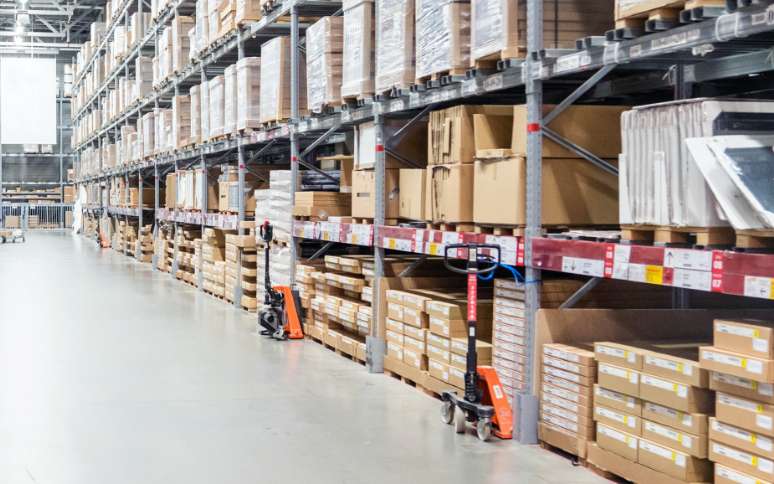
- Warehouse dust control on ledges, racks, beams, and high rafters using HEPA methods
- Loading dock, breakroom, and restroom sanitation for employee health and morale
- Detail cleaning of walls, doors, safety rails, and high-touch surfaces in work zones
- Post-maintenance cleanup after shut-ins, repairs, or installation projects
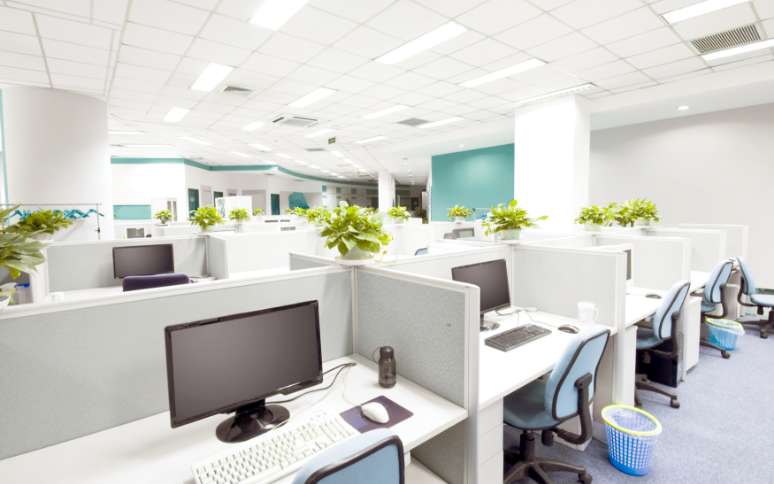
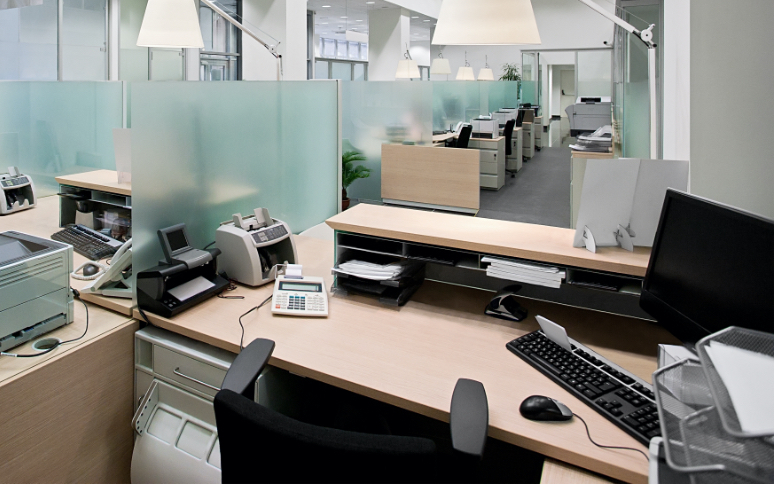
If your facility also includes office space, we can align your plant cleaning with our commercial cleaning services so you have one coordinated plan and one point of contact. To define what’s included for your facility in Fort Madison, contact us to schedule an on-site assessment and scope review.
Contact ServiceMaster Cleaning & Restoration today for expert Industrial Cleaning Services in Fort Madison, IA. Call us at (319) 727-8577!
How Often Should an Industrial Facility Schedule Professional Cleaning (and Can It Be Done Without Shutdowns)?
Cleaning frequency depends on your process, shift schedule, ventilation, and the type of soils generated, but most factories benefit from a layered plan rather than a single cadence. Many industrial facilities schedule daily or multiple-times-per-week cleaning in high-risk areas like entrances, restrooms, break areas, and main traffic aisles, then add weekly or monthly detail work for corners, behind equipment, and elevated surfaces where dust accumulates. For heavier operations—oil mist, machining, food-adjacent packaging, or high forklift traffic—professional degreasing and dust control often need to occur weekly or biweekly to keep slip risk and airborne debris under control. Quarterly or semi-annual deep projects are common for high rafters, duct-facing ledges, and full-floor restorative work.
Industrial cleaning can often be performed without shutting down production when it is planned correctly. We frequently work around active lines by using phased zone cleaning, off-peak scheduling, and controlled work areas that minimize interference with operators and material flow. When required, we use containment, targeted vacuuming, and low-disruption methods (instead of blowing dust into the air) to keep debris from migrating into production. During your walkthrough, we’ll identify which tasks can be completed during live operations and which are best scheduled during changeovers, weekends, or planned maintenance windows.
If you want ongoing support between deep clean visits, we can coordinate periodic touchpoints with recurring services similar to janitorial services, but configured for industrial realities. Call to discuss your production calendar and we’ll recommend a frequency plan designed to improve safety while protecting uptime.
Industrial Cleaning vs. Commercial Cleaning: What’s the Difference and Why It Matters?
Commercial cleaning is typically designed for offices, retail, and public-facing facilities—focused on appearance, routine sanitation, and consistent touchpoint cleaning. Industrial cleaning is fundamentally different because it addresses higher-risk soils (oils, coolants, metal dust, pallet debris), larger square footage, specialized access (lifts, catwalks, high bays), and safety controls that must align with plant rules and OSHA expectations. In industrial settings, the wrong method can create hazards, such as spreading combustible dust, leaving slick residues, or interfering with equipment airflow and sensors. The goal is not just “cleaner,” but safer conditions, reduced slip-and-fall risk, improved housekeeping for inspections, and a more reliable work environment.
When selecting an industrial cleaning contractor for OSHA compliance, look beyond general experience and ask how the company documents safe work practices. A qualified partner should provide a site-specific plan, demonstrate an understanding of your hazards, and show how they control them before they start. Ask what they do to prevent cross-contamination, how they manage traffic in forklift aisles, and how they verify areas are left dry, safe, and ready for crews to resume normal work.
To compare options confidently, schedule a walkthrough with us and request a written scope that outlines methods, safety steps, and acceptance criteria. If your facility includes both plant space and administrative areas, we can coordinate industrial zones alongside commercial cleaning so all areas meet appropriate standards without overpaying for the wrong approach.
Industrial Cleaning Cost Per Square Foot in Fort Madison: What Affects Pricing?
Industrial cleaning pricing is usually based on a combination of square footage, soil load, accessibility, safety requirements, and whether the work is recurring or a one-time project. In general, industrial cleaning cost per square foot often ranges from $0.15 to $0.60+ for routine, open-area cleaning, while heavy degreasing, high-access dust removal, or detailed production-area work can run higher depending on equipment, dwell time, and the level of detail required. Facilities with tight clearances, extensive racking, or significant oil residue typically require slower production rates and specialized chemicals or tools, which changes the cost more than raw square footage alone. If you need night work, weekend access, or phased cleaning to keep production moving, scheduling constraints can also affect pricing.
During our Fort Madison, IA walkthrough, we’ll evaluate key cost drivers such as floor type and condition, the presence of floor drains, the amount of oil/grease buildup, height and access needs, and any required documentation for safety compliance. We then provide a clear scope that separates routine tasks from periodic deep-clean items so you can budget accurately and avoid surprises. If your facility needs floor restoration beyond routine scrubbing, we can also coordinate specialty work through our floor care services to improve traction and appearance.
For a reliable estimate, contact ServiceMaster Cleaning & Restoration to schedule a site visit and receive a written, line-item proposal tailored to your production and safety requirements.
Safety Certifications to Look For, and Whether Industrial Cleaning Includes Hazardous Waste Removal
Industrial cleaning should be performed by teams who understand plant safety culture and can work within documented controls. At minimum, an industrial cleaning company should demonstrate training and procedures aligned with your facility rules and common OSHA expectations, such as hazard communication and proper PPE selection. Depending on your environment, you may also require task-specific training for elevated work, confined spaces, or chemical handling. Before you hire any contractor, ask to see training records, proof of insurance, and a plan for documenting work and resolving safety observations.
Common safety qualifications and capabilities you should look for include:
- OSHA-aligned safety practices including hazard communication, SDS access, and PPE protocols
- Lockout/Tagout (LOTO) awareness when working near equipment and energy sources
- Confined space training if cleaning involves pits, tanks, or restricted-access areas (as applicable)
- MEWP/scissor lift and fall protection practices for high-bay and rafter cleaning
- Respiratory protection awareness for dusty environments where required by the task
Does industrial cleaning include hazardous waste removal and disposal? In many facilities, some residues may be regulated depending on their composition and how they are handled. Basic industrial cleaning can include collection and containment of debris generated during cleaning, but regulated hazardous waste removal, transportation, and disposal may require specific labeling, manifests, and licensed disposal channels under applicable rules. We will review your waste streams during the walkthrough and clarify what we can handle directly versus what must be managed through your approved hazardous waste program or a licensed disposal partner.
To protect your team and reduce compliance risk, contact us to review your site hazards and confirm the right safety plan and documentation for your Fort Madison facility.
Best-Practice Methods: Floor Degreasing for Slip Resistance and High-Rafter Dust Control
Industrial floors in factories and warehouses often accumulate oils, coolants, and tracked-in residue that can reduce traction and create dangerous slip conditions. Our approach to cleaning and degreasing focuses on breaking down soils, mechanically agitating them, and recovering residues so they are not just spread thinly across the surface. Depending on the floor type and contamination level, we may use industrial auto-scrubbers with appropriate pads or brushes, targeted alkaline degreasers with controlled dwell time, and rinse/recovery methods to leave floors clean, dry, and safer under foot and forklift traffic. Where needed, we can recommend next steps such as traction improvements, strip-and-recoat strategies, or ongoing maintenance plans through professional floor care.
For warehouse dust and high rafters, the best method is typically controlled HEPA vacuuming using extension tools and lift access, rather than blowing dust into the air where it can settle back onto inventory or migrate into sensitive areas. We plan high cleaning with the right access equipment, defined work zones, and fall protection practices as required, focusing on beams, light fixtures, sprinkler-adjacent surfaces, and ledges where dust accumulates. This approach improves housekeeping, supports inspection readiness, and can reduce nuisance dust that affects product, equipment, and employee comfort. If you suspect your dust may be combustible or otherwise high-risk, we recommend a risk review to confirm the proper method and controls before work begins.
Want a safer, cleaner plant without disrupting operations? Contact us to evaluate your floors, dust load, and access needs and we’ll recommend a practical, production-friendly plan.
Schedule Industrial Cleaning in Fort Madison, IA with ServiceMaster Cleaning & Restoration
If you manage a factory, processing area, or warehouse in Fort Madison, IA 52627 or surrounding communities in Lee County, a cleaner facility is more than appearance—it supports safer shifts, smoother inspections, and more dependable operations. ServiceMaster Cleaning & Restoration delivers industrial cleaning built around your hazards, your schedule, and your standards, with clear scopes, documented methods, and results you can verify. Whether you need recurring industrial floor degreasing, high-rafter dust removal, or a full-facility deep clean, we’ll help you choose the right frequency and the safest approach.
Call today to book an on-site walkthrough and request a written industrial cleaning proposal tailored to your production schedule, OSHA requirements, and facility priorities.
Get your facility spotless with ServiceMaster Cleaning & Restoration. Contact us now at (319) 727-8577.