.2411190733512.jpg)
School Cleaning Services in Springfield, VA
Health-forward school cleaning for daycares, K-12 buildings, and campuses across Greater Washington
ServiceMaster Janitorial of Greater Washington delivers professional Education Cleaning designed for the real pace of learning environments in Springfield, VA 22153 and surrounding Greater Washington communities. From busy daycare classrooms to large university facilities, we focus on high-touch disinfection, odor control, floor care, and consistent day-to-day cleanliness that supports attendance, staff confidence, and parent trust. Our programs are built around CDC-aligned hygiene practices, product safety, and measurable results, with flexible service windows for before-school, after-hours, and weekend coverage. If you need ongoing support, explore our commercial janitorial services for schools and educational facilities.
Contact us today for expert school cleaning services in Springfield, VA. Call (703) 775-1103 and trust ServiceMaster Janitorial of Greater Washington for a safe, clean campus.
How often should schools schedule professional cleaning services?
Most schools benefit from a layered schedule that combines daily janitorial cleaning with targeted weekly and monthly deep-clean tasks. High-traffic areas like entrances, hallways, restrooms, and cafeterias typically require daily cleaning and disinfection because they accumulate soil and microbes faster than classrooms. Classrooms and offices usually perform best with daily touchpoint disinfection plus a weekly detail clean that addresses desks, baseboards, corners, and hard-to-reach surfaces that routine cleaning can miss. For district buildings, preschools, and campuses around Springfield and Northern Virginia, adding a monthly floor care or restorative clean helps protect finishes and reduces long-term maintenance costs.
Frequency should increase during peak illness seasons, after large events, or when absenteeism rises. Daycares and early learning centers generally need the highest frequency because of hands-on activities, shared toys, and close contact, while secondary schools may need more attention in athletic facilities and restrooms. A practical approach is to start with a walkthrough and create a written scope by area type, traffic level, and risk profile, then adjust based on feedback and inspection. To set the right cadence for your building, request a plan that pairs routine cleaning with periodic professional disinfection services for flu, norovirus, and other seasonal concerns.
What’s included in classroom deep cleaning and disinfection, and which disinfectants are safest?
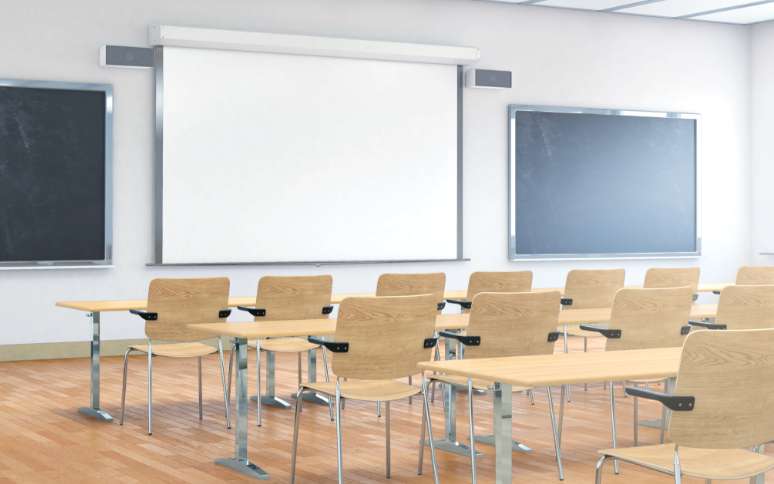
A classroom deep cleaning and disinfection service goes beyond emptying trash and wiping obvious surfaces. Our teams detail-clean desks, chairs, teacher stations, door hardware, light switches, sink fixtures, cubbies, and other high-touch points where germs spread quickly. We also address dusting (including vents, ledges, and reachable horizontal surfaces), spot-cleaning walls where appropriate, and removing buildup along baseboards and corners that can make rooms look tired even when they are “clean.” The goal is a classroom that looks refreshed, smells neutral, and is disinfected using correct dwell times and application methods.
- High-touch disinfection of desks, chair backs, door handles, push plates, light switches, and shared equipment
- Cleaning and sanitizing sinks, faucets, and surrounding splash zones
- Detailing of cubbies, shelving fronts, and reachable storage areas
- Dust control on reachable vents, ledges, blinds, and technology surfaces using appropriate methods
- Floor care as needed, including vacuuming, edge detailing, damp mopping, or spot treatment
When it comes to the best disinfectants for schools that are safe for children and staff, the most important factors are EPA registration, correct dilution, proper dwell time, and compatibility with the surface. We commonly select products from EPA’s List N (when addressing viral concerns) and prioritize options designed for educational environments, such as hydrogen peroxide–based disinfectants, properly formulated quaternary ammonium products with clear safety directions, and other low-odor, low-residue solutions when appropriate. For sensitive populations and younger students, we also consider fragrance, ventilation, and contact frequency to reduce irritation while still meeting disinfection requirements. If you want a product plan aligned with your district guidelines, ask about our documented chemical selection process and our targeted school disinfection services.
School cleaning checklist to prevent flu and virus outbreaks (plus electrostatic spraying)
Preventing outbreaks is less about “one big clean” and more about consistent attention to the surfaces that are touched hundreds of times per day. A strong school cleaning checklist prioritizes entry points, shared devices, restrooms, and staff areas, then reinforces hand hygiene through replenishment and visible cleanliness. We recommend combining daily disinfection of high-touch points with increased restroom checks and mid-day attention in nurse’s offices, front offices, and special education rooms where contact frequency may be higher. During flu season, many Springfield-area schools also add a scheduled disinfecting rotation that targets one wing or grade level each night to reduce overall microbial load.
- Disinfect high-touch points daily: door hardware, railings, switches, faucet handles, and shared counters
- Clean and disinfect shared tools: keyboards, mice, tablets, phone handsets, and copier touch screens
- Restroom rounds throughout the day: replenish soap and paper, disinfect touchpoints, manage odor sources
- Cafeteria wipe-down cycles between lunch waves, focusing on tables, seats, and serving touchpoints
- Isolate and detail-clean nurse/health rooms, staff lounges, and other higher-risk spaces
- Use proper dwell times and keep simple logs for accountability and consistency
Electrostatic spraying for schools is a fast, uniform way to apply an EPA-registered disinfectant to large areas and complex surfaces. The sprayer charges droplets so they “wrap” around objects, improving coverage on chair legs, desk edges, and other hard-to-wipe geometry. Electrostatic application is most useful after a confirmed illness cluster, following long breaks, before high-traffic events, or as a periodic enhancement to routine cleaning, but it should complement—not replace—manual cleaning of soil and grime. If you’re considering this option for your building, learn more about our electrostatic spraying protocols and when they are most effective.
How to clean and sanitize school restrooms to reduce odors and germs
Restrooms are one of the most important areas for preventing odor complaints and limiting germ spread, especially in K-12 buildings with heavy use and fast turnover. Effective restroom cleaning starts with removing soil (which can block disinfectants) and then applying disinfectants to high-touch points with proper dwell times. Odor control requires addressing the source: urine salts around fixtures, floor edges, grout, and drain areas, not just using fragrance. In Springfield, VA schools and campuses, we often recommend a combination of routine disinfecting, periodic restorative detailing, and airflow/vent checks to keep restrooms consistently fresh.
- Clean and disinfect touchpoints first: door hardware, partitions, flush handles/buttons, faucets, and dispensers
- Remove mineral and urine buildup on and around toilets/urinals, including edges and splash zones
- Scrub floors and grout lines, focusing on corners and behind fixtures where odors collect
- Sanitize sinks and counters, then polish where appropriate to reduce re-soiling
- Detail drains and floor edges as part of periodic deep cleaning to control persistent odors
- Restock soap, towels, and tissue and document checks to maintain consistency
For schools aiming to reduce absenteeism, restroom sanitation is a high-return investment because it directly impacts hand hygiene and cross-contamination. We can set up service levels that include daily cleaning, multiple “day porter” check-ins, and scheduled deep cleaning to restore grout and high-traffic floor areas. If odors or repeated complaints are an issue, we’ll recommend a corrective plan that targets buildup points and introduces measurable inspection steps. To coordinate restroom-intensive schedules alongside full-building service, connect our restroom scope with your broader school janitorial program.
Cafeteria, kitchen, gym, and locker room cleaning standards (plus summer deep cleaning and how to choose the right company)
Educational dining areas require a higher standard because food soil, grease, and moisture can quickly create odor, pests, and slip hazards. Cafeteria cleaning should include frequent table and seat sanitizing between lunch periods, floor degreasing in traffic lanes, and detailed cleaning of touchpoints like cooler handles, serving rails, and trash lids. For kitchens and university dining operations, cleaning must support food safety practices by using appropriate products for food-contact surfaces, separating tools by area, and maintaining schedules that align with HACCP-style routines. If your facility needs help with floors and greasy buildup, our commercial floor care options can be integrated into nightly or weekly service.
Gymnasiums and locker rooms require special attention to moisture and skin-contact surfaces to control mold, mildew, and bacteria. We recommend routine cleaning of rubber and resilient floors with compatible chemistry, disinfection of shared equipment touchpoints, and focused detailing in shower areas, drains, and grout where moisture lingers. Ventilation and drying time matter, so cleaning schedules should avoid sealing in humidity and should include periodic deeper service for corners, under benches, and behind lockers where buildup accumulates. When needed, we can pair athletic-area cleaning with targeted disinfection services for higher-risk seasons and tournament schedules.
Summer school deep cleaning services are the best time to reset floors, carpets, and classrooms without disrupting instruction. Many schools schedule carpet extraction, hard-floor scrubbing or refinishing, edge detailing, restorative restroom work, and full classroom deep cleaning during summer break so the building reopens looking and feeling refreshed. This is also the ideal window to address embedded odors, entrance matting effectiveness, and wear patterns in hallways, as well as to complete high-dust work that is harder to do during the school year. For carpeted spaces like libraries, offices, and classrooms, consider adding commercial carpet cleaning to remove tracked-in soils that vacuuming can’t fully lift.
Choosing a school cleaning company for daycares, K-12 buildings, and campuses comes down to consistency, safety, and accountability. Look for documented training, background-checked staff, clear communication paths, and the ability to scale services during outbreaks, events, or summer deep-clean seasons. The right partner should provide transparent scopes, checklists, and inspection routines, along with child-appropriate product options and careful procedures around toys, learning materials, and sensitive areas. ServiceMaster Janitorial of Greater Washington supports educational facilities across Springfield and the Greater Washington region with reliable scheduling and clear service plans; to request a walkthrough and a customized proposal, contact us today and ask for an Education Cleaning program built for your building, your budget, and your academic calendar.
Contact us now to keep your school spotless in Springfield, VA! Call (703) 775-1103 and rely on ServiceMaster Janitorial of Greater Washington.